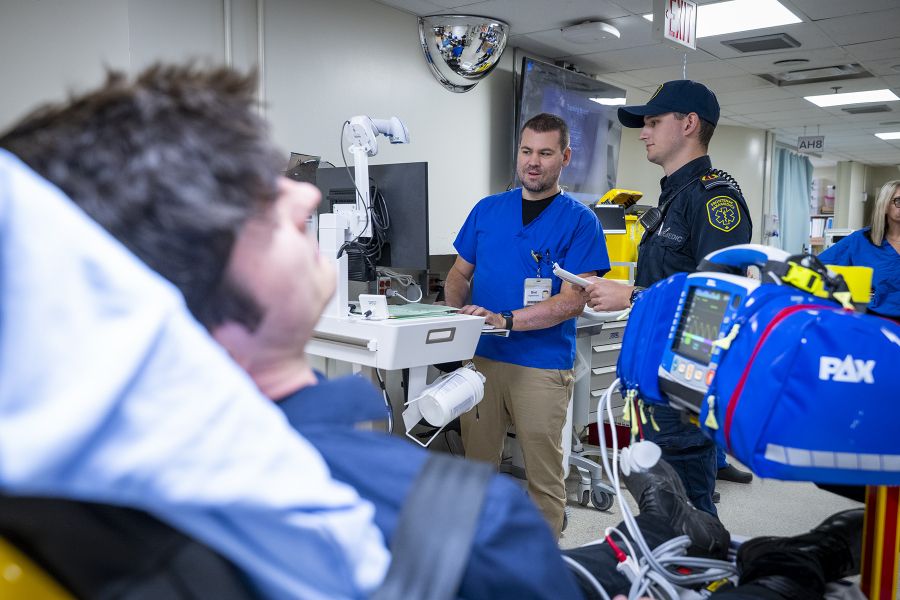

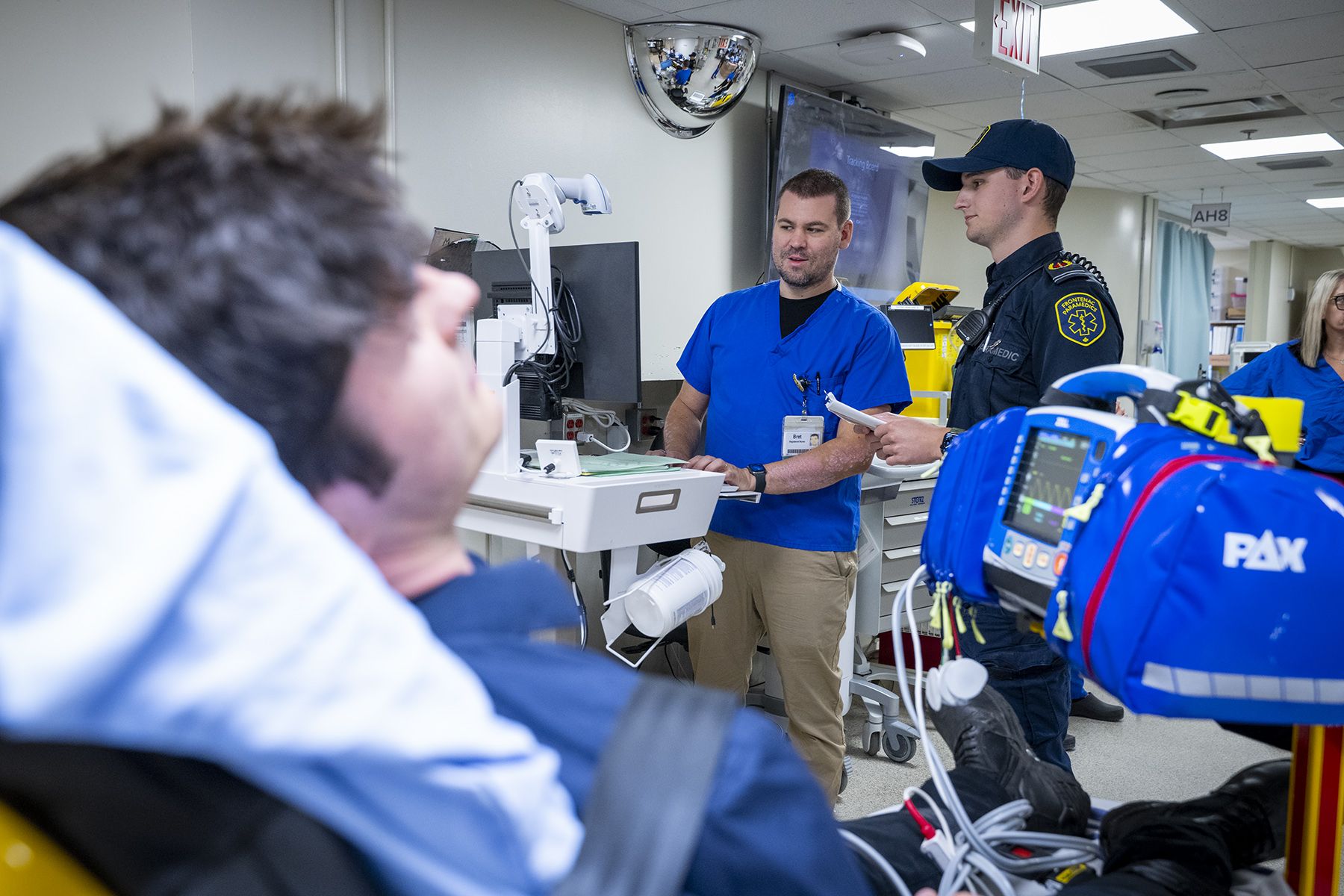
Frontline nurses are part of a team, including Emergency Medical Services, working to identify and implement improvements in the KHSC Emergency Department.
Credit
Matthew Manor
This past March, ambulance offload times at Kingston Health Sciences Centre’s (KHSC) Emergency Department (ED) dropped 44 per cent from the same time the year before, even though the hospital was busier and close to 100 per cent capacity. It’s a clear sign that a two-year effort to improve how the ED handles the flow of patients arriving by ambulance is paying off.
“This was our strongest month-over-month result yet,” says registered nurse (RN) Emily Murphy, the ED’s quality, flow and project coordinator who leads the group, made up of nurses and Emergency Medical Services, working to identify changes. “It’s showing us what’s possible.”
It’s not easy to make improvements in an unpredictable emergency department. So much of the department’s performance depends heavily on factors outside of its control, like how many patients are arriving, how sick they are and how much capacity there is in the settings patients need to go to next.
That’s why, after a couple of years of hard work, the KHSC ED care team is celebrating the improved flow of patients within the department and being able to get ambulances back out on the road more quickly.
Faster transfers of care
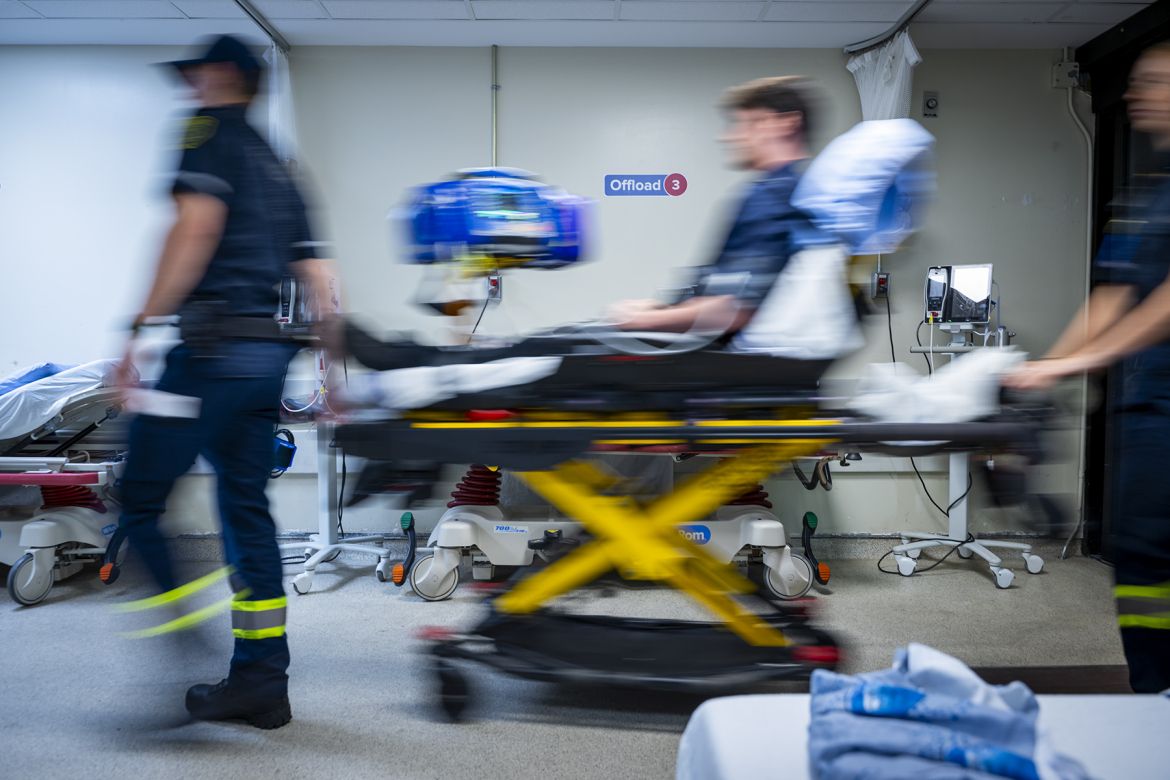
When ambulance offload triage nursing expanded from 12 hours per day to 24-hour coverage in the fall of 2024, Frontenac Paramedics remained unwavering in its support of the role, which triaged all ambulance patients and cared for those who remained in the offload zone.
Five months later, Frontenac Paramedics began working with ambulance offload triage nurses to implement a different approach to offloading patients who arrive by ambulance and do not require immediate life-saving care. These patients have stable vital signs, are not vulnerable and meet other ‘fit to sit’ criteria, allowing them to stay in the waiting room instead of occupying an ambulance stretcher.
Since these changes, there has been a sustained reduction in the amount of time it takes paramedics to hand a patient’s care over to the ED team.
“Our early success suggests our process improvements are working. Even our patients are noticing,” says Murphy.
ED compliments are up 50 per cent
In recent months, compliments to the department have doubled.
Lisa O’Kane, a health-care worker visiting Kingston from Ottawa, arrived at the KHSC ED on a Friday night with a family member. Having worked in a hospital for 22 years, she says she expected a difficult night.
Instead, from start to finish, our experience was exceptional. Everyone was professional, compassionate and efficient.
“Throughout the evening, I watched the department manage what was clearly a very busy shift. There were many patients with significant health-care needs, yet the staff continued to work incredibly hard while treating people with kindness and maintaining smiles on their faces.
“Every interaction left us feeling cared for and respected. Thank you and well done to the entire ED team.”
Building on progress
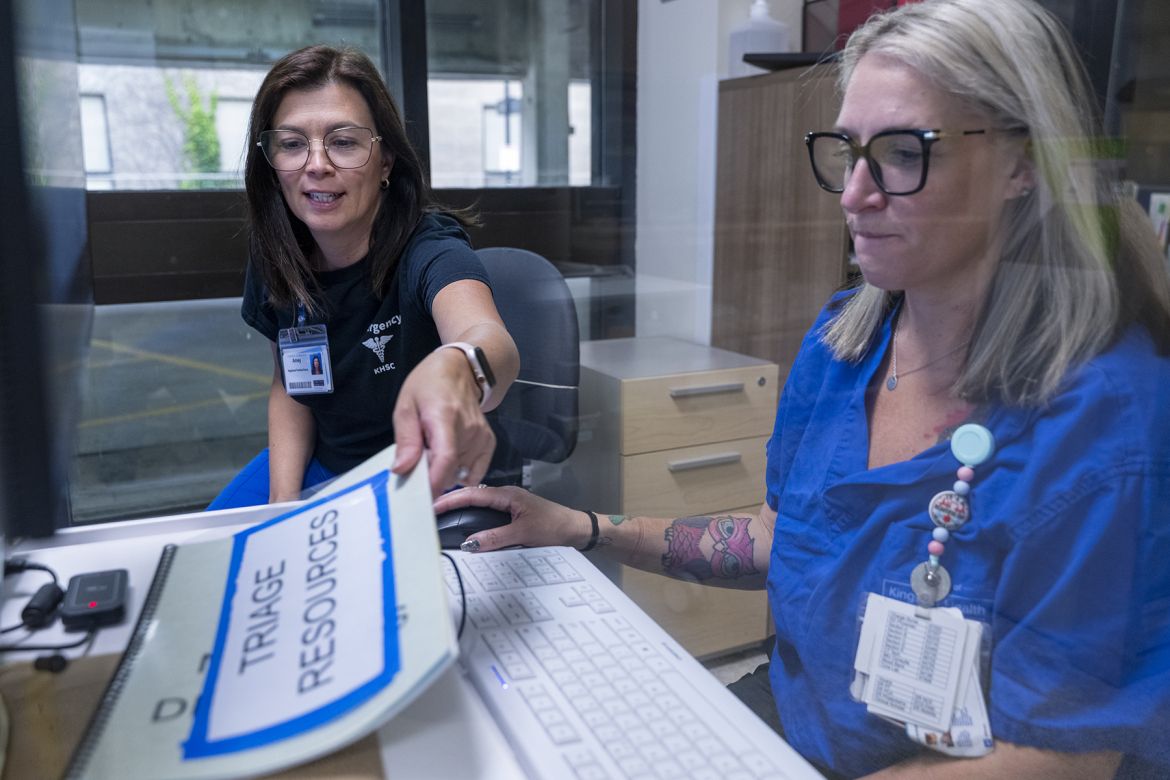
Staff and partner feedback about the improvements has been positive as well. But data showed that more could still be done to get ambulances back on the road sooner and improve patient experiences.
In fact, more changes recently came into effect and are already having an impact. Frontenac Paramedics can now go directly to the registration clerk with patients who are fit to sit and can wait to be assessed by a triage nurse. Typically, ambulance crews are in and out of the department within just a few minutes.
This is a dramatic difference from waiting up to 40 minutes to meet with the ambulance offload triage nurse, who was often busy caring for patients.
As well, the ambulance offload triage nurse is now fully dedicated to support ambulance crews coming in with patients who need immediate care. This is possible with an additional nurse 12 hours per day who takes on the responsibility of caring for up to six patients who have been recently transferred from paramedic care. They also speed up testing and work with the charge nurse on the efficient movement of patients in and out of the department.
A frontline perspective
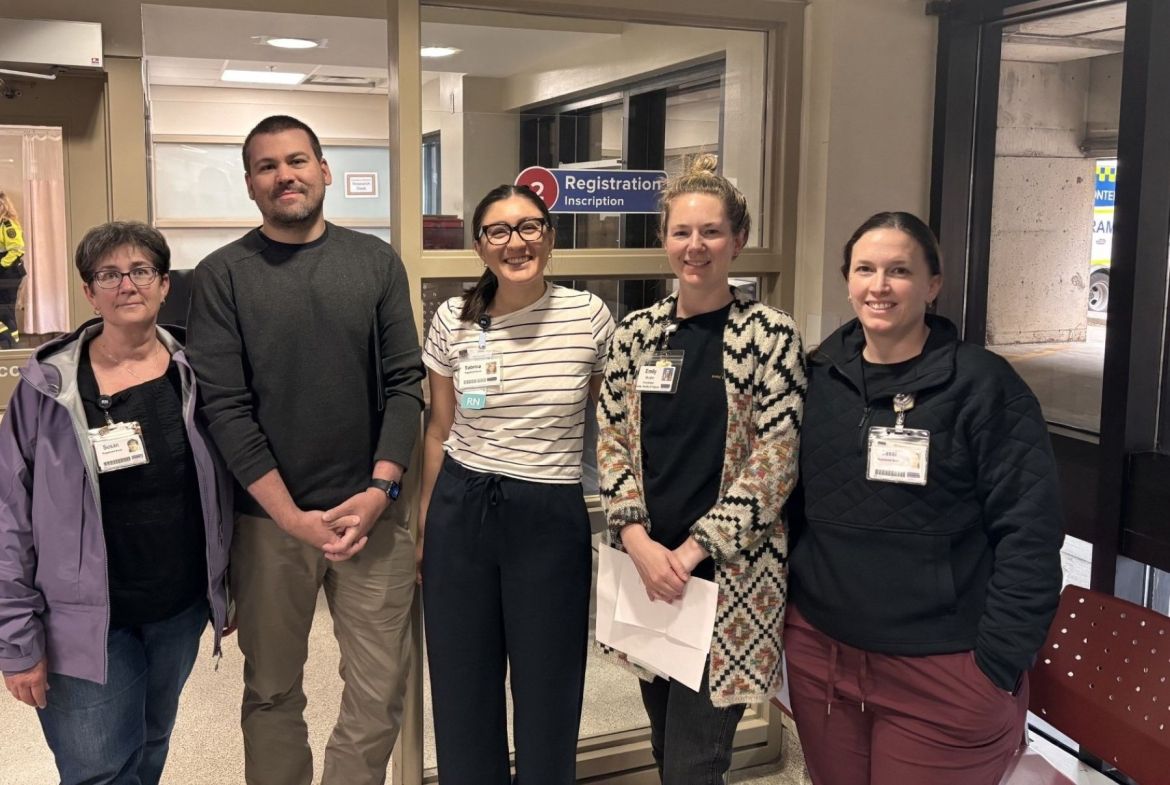
RN Sabrina Smith is one of four frontline triage nurses working with Murphy and KHSC’s partners to make improvements. The collaboration is grounded in the belief that those with real-world experience are best positioned to identify and implement solutions to challenges.
“I’m particularly interested in contributing practical, grassroots perspectives to support meaningful and sustainable change,” says Smith. “I’m motivated by the opportunity to enhance patient flow and safety, quality of care and nursing satisfaction within the department.”
Working with the ED Leading Practice Toolkit from Ontario Health, more evidence-informed improvements are underway and expected to further improve ED patient flow and performance.